
Voice control or app control is becoming a more important decision for homeowners in the ever-changing world of smart home technologies. Each choice offers a distinct set of benefits that change how we use our homes. Understanding the advantages, disadvantages, and ideal uses of each control method is crucial for developing a smooth, effective, and intelligent home environment as automation becomes a fundamental aspect of contemporary life.
The Development of Intelligent Home Automation Systems
The number of smart home gadgets has increased at an unparalleled rate over the past ten years. Homes are becoming more intelligent, user-friendly, and connected than ever before, with features like voice-activated assistants, automated curtains, smart lighting systems, and AI-integrated security solutions. Two main control paradigms have emerged as a result of this evolution: app-based control, which employs specialized smartphone applications to operate a variety of smart devices, and voice control, which is facilitated by assistants like Siri, Google Assistant, and Amazon Alexa.
The decision you make can have a big impact on how well your smart home works, even though both strategies seek to improve user experience and provide ease.
Transform your living spaces with innovative home lighting automation solutions that enhance comfort, efficiency, ambiance, and complete smart control for every room.
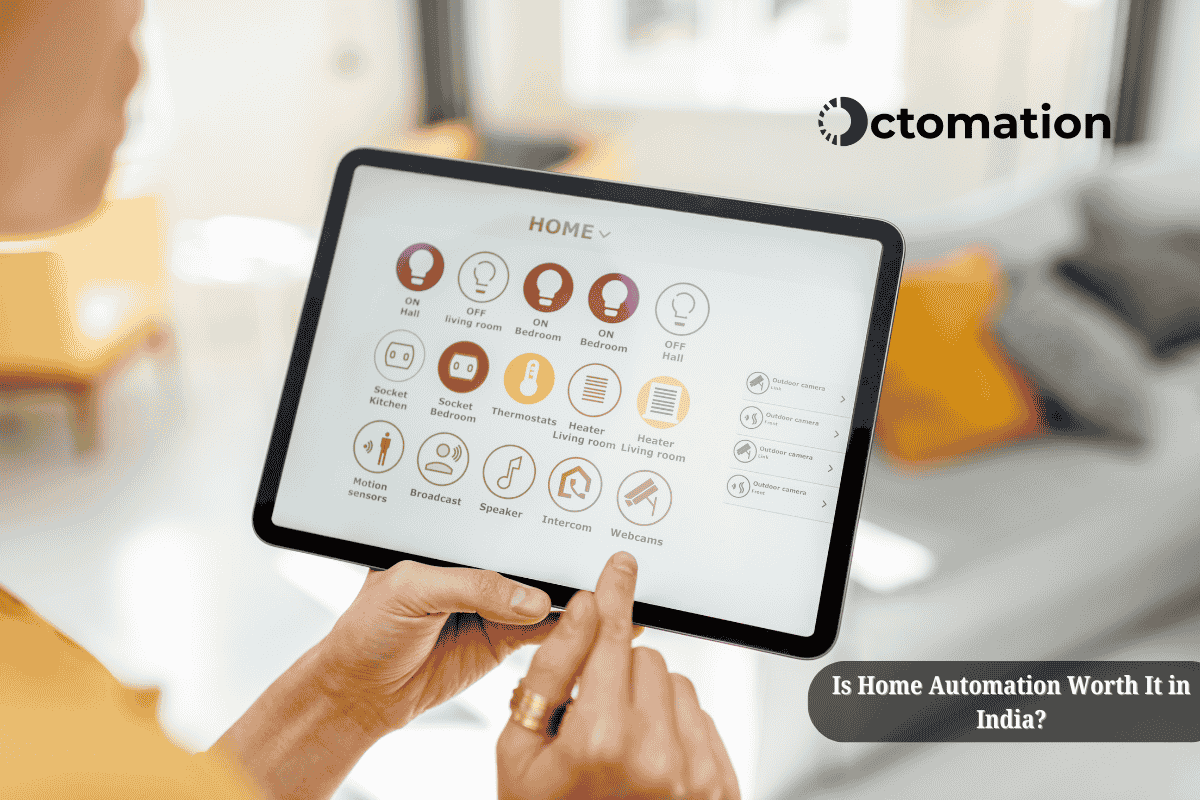
Comprehending Voice Control in Intelligent Households
Natural language commands are used in voice control to operate devices without the need for physical contact. Using commands like "Turn off the lights" or "Set the temperature to 22 degrees," users can manage several devices at once. This approach, which is based on hands-free convenience, works particularly well in hectic homes where people need to make quick decisions without reaching for a gadget.
Voice control's accessibility and speed are two of its main advantages. Voice assistants are able to react quickly, carry out intricate multi-device sequences, and even interface with external services. For example, to create the ideal evening atmosphere, a simple voice command can dim the lights, draw the curtains, and play soothing music.
Furthermore, older users or those with restricted mobility benefit most from voice control since it enables them to regulate their living space without exerting physical effort. Voice assistants may integrate several ecosystems and brands by connecting to a smart hub, which makes the house smarter and more unified.
However, several variables, like internet access, precise speech recognition, and the assistant's comprehension of intricate commands, affect how successful voice control is. Because speech data is handled via cloud servers, privacy issues also arise.
Examining Smart Home App Control
A tactile and visual interface for controlling smart home appliances is offered by app control. Users may precisely control scenes, schedules, and settings with mobile applications. More engagement is possible with app interfaces than with voice commands alone because they frequently offer comprehensive details like energy usage statistics, device status, and customization possibilities.
The granularity of app control is one of its main benefits. For instance, although you may ask a voice assistant to "dim the lights," an app lets you choose a certain colour temperature, set up sophisticated automation routines, and change brightness to a precise percentage. Because of this, apps are a vital resource for customers who want more precise customisation.
Discover advanced smart living solutions with top home automation companies in india offering seamless technology integration, enhanced security, and ultimate convenience.
Furthermore, in settings where voice recognition might not work as well, including noisy places or places with a variety of accents and languages, app control is frequently more dependable. In contrast to many voice assistants that mostly rely on cloud processing, many apps also work locally over Wi-Fi or Bluetooth, so they continue to function even if internet connectivity is lost.
Remote access is another area where app control shines. You can keep an eye on and manage your smart devices from anywhere in the world, even when you're not at home. When you're not physically there, applications offer real-time supervision and control that voice commands cannot match, whether you're reviewing camera feeds, locking the doors, or turning on the porch lights.
The Crucial Trade-off between Control and Convenience
The argument between voice control and app control frequently comes down to convenience vs accuracy. When you need quick, hands-free orders, such as shutting off lights from bed or adjusting the thermostat while cooking, voice control excels. It is perfect for daily interactions since it turns tedious chores into effortless experiences.
However, app control provides greater depth and accuracy, which makes it perfect for complex automation setups, multi-device management, and system status monitoring. App control is about mastery, whereas voice control is about convenience.
The best option for many homeowners is a hybrid strategy that uses app interfaces for in-depth adjustments and remote access and voice commands for routine, basic tasks. Convenience and control live side by side in a harmonious ecosystem that is produced by this combination.
Experience cutting-edge smart living solutions in Gurgaon with expert automation services designed for modern homes—simply go here to explore.
Accessibility and User Experience
When deciding which alternative is best, user experience is a major factor. Immediacy is provided by voice control; no phone unlocking, app navigation, or setting discovery is required. It works particularly well in areas with plenty of traffic, such as living rooms, kitchens, and bedrooms, where people are doing other things.
On the other hand, app control offers visual feedback that boosts self-assurance. Users can define precise settings, verify that operations have been carried out, and monitor the status of the gadget. Apps also provide user management capabilities for households with numerous users, enabling distinct profiles and permissions that voice assistants might not be able to manage as well.
Compatibility and Integration
Compatibility is another important consideration in the voice control vs. app control controversy. Voice assistants depend on gadgets that work with their ecosystem, which occasionally restricts the options available. For instance, a smart gadget might support Alexa but not Google Assistant, or the other way around. Users might have to choose their devices according to the voice environment they have chosen.
Since many gadgets have their own dedicated applications or interface with universal platforms like Apple Home, Google Home, or third-party hubs, app control usually offers greater interoperability. Users can switch between brands thanks to this flexibility, which frees them from being restricted to a single voice assistant.
Considerations for Security and Privacy
Privacy and security are critical as smart homes become increasingly interconnected. Voice control systems frequently use the cloud to analyse data, which raises questions regarding data collecting and illegal access. Despite the robust security measures offered by major voice assistant providers, it is impossible to exclude the possibility of voice spoofing or inadvertent activation completely.
On the other hand, app control frequently includes password protection, biometric locks, or two-factor authentication and can provide more localised processing. This creates a more controlled setting for delicate tasks like accessing camera feeds or activating smart doors.
Upcoming Developments in Smart Home Automation
Future smart home control systems are likely to be multi-modal. Advances in AI, machine learning, and predictive automation are creating systems that anticipate user demands without explicit commands. Imagine living in a house that recognises you, automatically controls the temperature and lighting, and locks itself when you're not there—all without you having to speak or touch a device.
Upgrade your lifestyle with advanced smart solutions and seamless control in Noida homes—click here to explore premium home automation noida services.
Voice control will keep improving its context awareness, gaining the ability to comprehend both complex commands and natural conversations. App control, on the other hand, will incorporate increasingly sophisticated dashboards, providing centralised management for whole ecosystems. A more seamless and engaging smart home experience will result from the combination of both approaches.
Conclusion: Selecting the Appropriate Home Control System
There is no universal solution to the voice control vs. app control controversy. Every technique has special advantages that suit various tastes and situations. While app control offers comprehensive customisation and dependability, voice control excels at simple, hands-free ease. Homeowners may create a smart home ecosystem that precisely suits their lifestyle by knowing the advantages of each.
Enhance your home’s comfort and style with elegant smart curtains offering effortless control—visit our website to discover innovative solutions.
A combination of both control methods—voice for speed and ease of use, and app for depth and accuracy—often yields the best results for the ultimate experience. This synergy will only grow stronger as technology advances, bringing us one step closer to genuinely intelligent living environments.
Check Out Blogs of smart Home
The Ultimate Guide to Smart Security Systems for Homes
Top Ways to Automate Your Kitchen for Effortless Living